The importance of hearing well in public gatherings
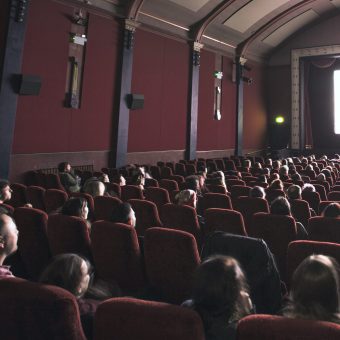
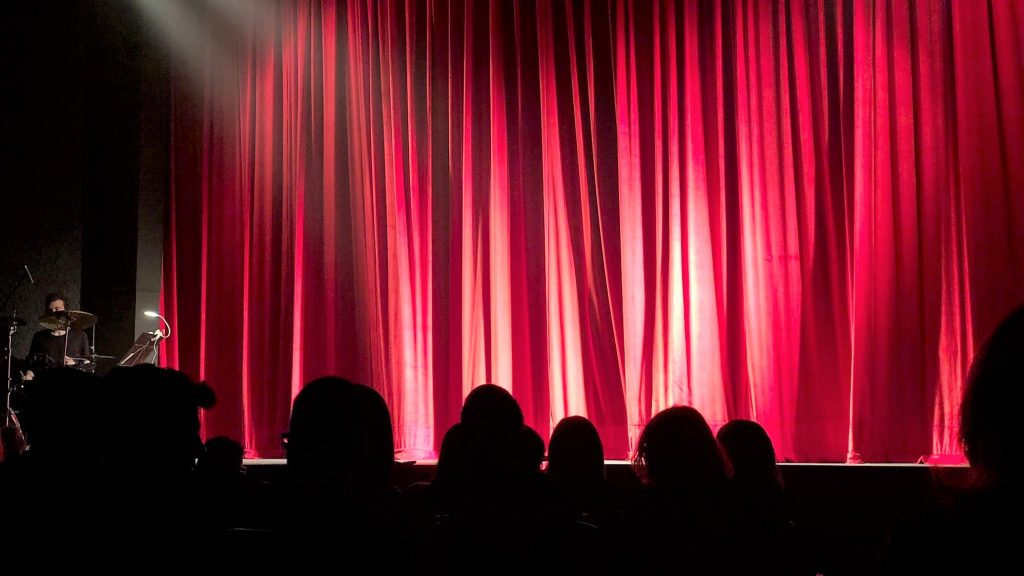
Public accommodations for hearing loss help us fully engage with all that a public gathering has to offer. We want to share the same entertainment or educational experience with everyone else in the room. Take a minute to picture yourself as you sit in a crowd at your favorite movie, play or community gathering. The interaction on the stage or screen draws you in. As you listen, the words cause thoughts to swirl in your head. They cause feelings to creep into your heart. Depending on the event, it might be joy or sadness or outrage or peacefulness. Moreover, you pick up on the emotions in the people around you. There’s energy in this shared experience.
Moreover, you pick up on the emotions in the people around you. There’s energy in this shared experience.
Now image this experience with hearing loss. Picture yourself behind glass, as you look in at the event, unable to grasp the words. You see the faces of the crowd and watch as they grip the arms of their chairs or throws their heads back in laughter. You are intrigued and mystified. What did they just hear? You wish you knew and try to guess. However, you do not know. Suddenly you feel all alone in a very crowded place. Your feelings of frustration or sadness are out of sync with those around you. As a result, you want to leave. There’s a good chance you won’t want to come back.
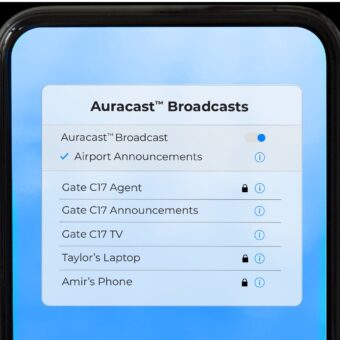
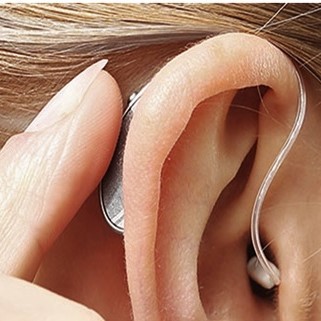
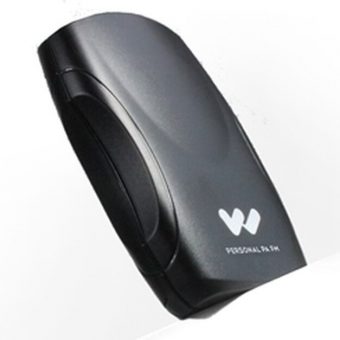
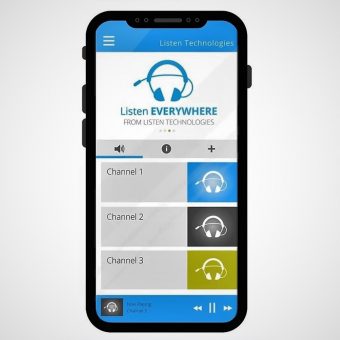
Have you had this experience? Fortunately, it doesn’t have to be this way. Public venues have special equipment just for people with hearing loss. There are wireless audio systems that deliver crystal clear sound from the venue’s sound system straight to us. Besides that, there is also technology for captioning. Unfortunately, I sat through years of not-quite-getting-it before learning about these accommodations.
Now there are times when I hear even better than people with normal hearing. Trust me when I say that feels pretty good. I hope you experience that as well.
The challenge
Large gatherings obviously require large spaces, such as auditoriums, arenas, theaters or classrooms. Consequently, this creates two big issues for people with hearing loss. First, the large size of the space creates acoustic challenges like reverberation. Words are hard to decipher when they bounce around the large space. Secondly, a lot of the audience ends up very far from the action. Sounds disperse and weaken as they travel through the air from the wall speakers. In fact, distance and reverb are two of the three big challenges for people with hearing loss. The other is noise and a crowd sometimes brings that as well. As a result of these issues, microphones and wall speakers alone cannot deliver words that are clear and strong enough.
There are other challenges as well. You need to arrive early and seek out staff who are aware of these public accommodations for hearing loss. In addition, the equipment needs to be clean, fully-charged and in good working order, which is not always the case. Lastly, if there is no loop system or telecoil, you might have to wear headphones that people will see. I hope you persevere through these challenges and enjoy the experience.
The solutions
- public (aka large area assistive) listening systems
- captions
- visual information
- ADA laws regarding public accommodations for hearing loss
- strategy
Learn more and above all, please help raise awareness of public accommodations for hearing loss.