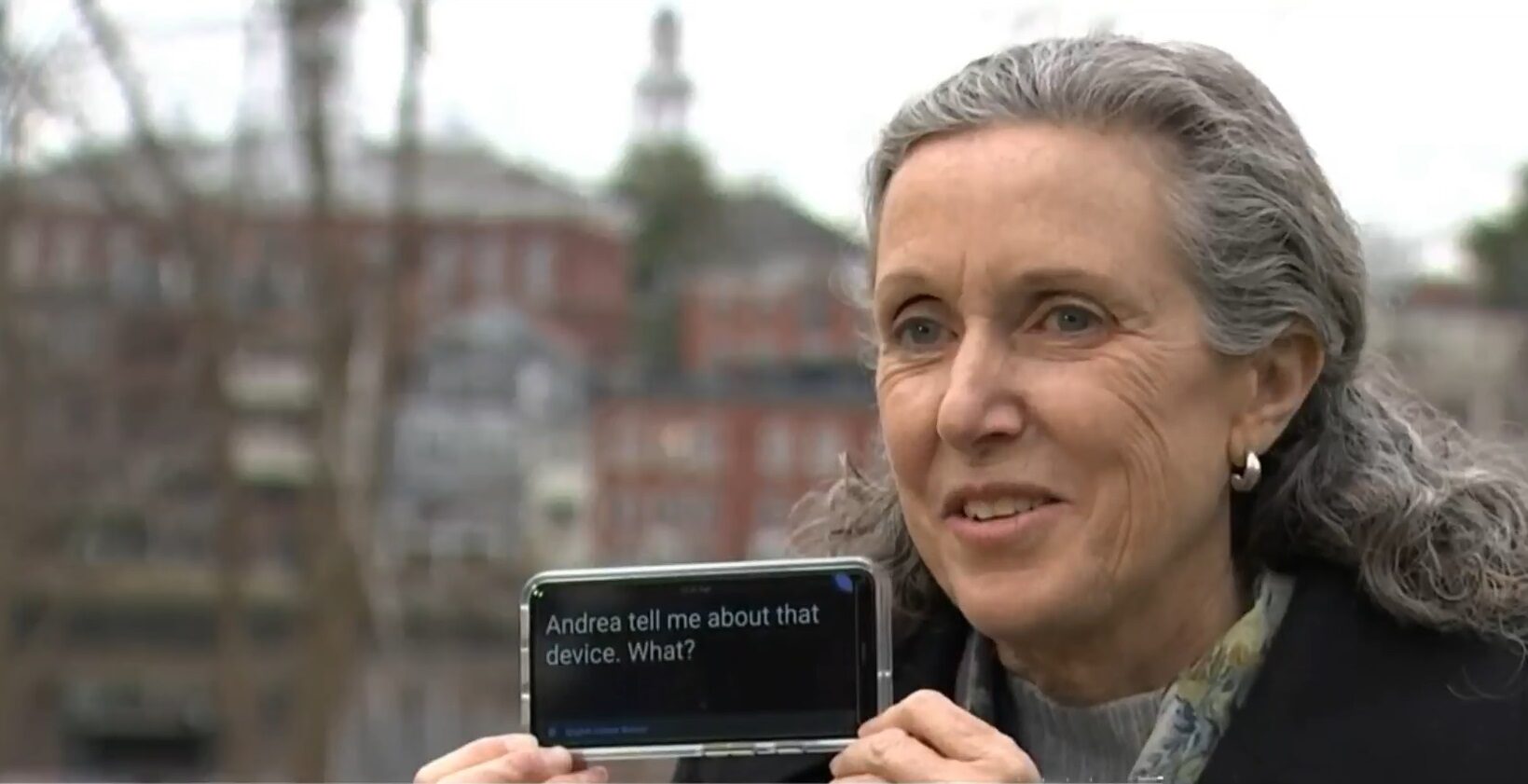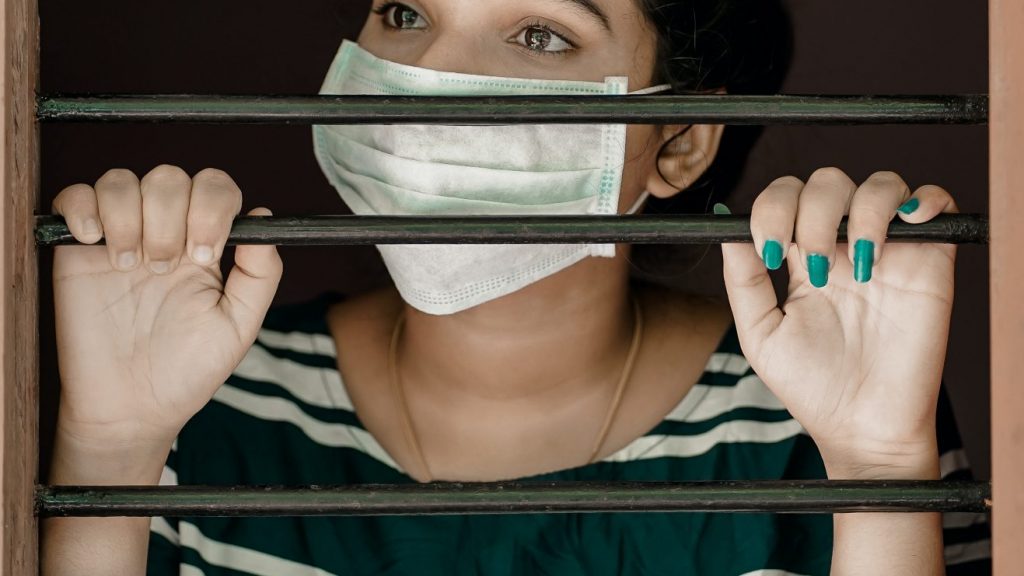
During the COVID pandemic, I broke a promise I made to myself and went back to old bad habits. That is to say, I bluffed my way through conversations and I avoided people. It took years to own my hearing loss and persist in connecting with others. Like so many things, it all come unraveled in a matter of weeks. Now post-pandemic, I still encounter face-mask challenges fairly often and continue to wear them myself in certain situations. It’s hard to predict where I’ll encounter face-masks now, so it feels like a minefield of disconnection. It’s more challenging to be independent. I find myself more reliably using a speech-to-text app in these situations, explaining my hearing loss struggle with word clarity and asking people not to lower their masks but simply to speak a bit louder. The following stories were written during the pandemic:
As I head out for a walk, I encounter Jim. Jim is an extremely friendly and helpful maintenance man for our apartment complex. He greets me as he touches up the paint around some windows. “Thanks for all you do for us around here, Jim!” I say, especially grateful in this time of pandemic. I think he likes the appreciation, because I can hear an upbeat tone to his response. Still, I have no idea what he says. Normally I would move close to him and ask for a repeat. However, doing that now would make us both uncomfortable. As I walk away, I wonder what Jim said. Will he might think negatively of me since I gave no response back? As a result, I promise myself to do better upon my return.
I’m glad to see Jim is still there. “Those windows look great. I love the smell of fresh paint.” He says something about the type of paint. “I’m sorry, I have hearing loss. What did you say?” Well, at least now he might understand why I was so aloof earlier I think. He speaks louder and yet it’s still too far for me to hear. As a result, I weigh the effort and awkwardness I need to forge ahead. This is a familiar mental game I play. Yet the distance between us must remain. I freeze for a second, a bit like like a rabbit caught on a footpath. As I dart back into my apartment, I call out “have a nice afternoon.” Sadly, I have lost the connection.
A few hours later, I bump into my neighbor Pam. She’s really fun and very outgoing. I’m glad we both wear face masks, yet her greeting is a soft goulash of sounds to me. I study her eyes and body language. These are the only clues to her message. Unfortunately, it’s not enough. Detached, I watch the fabric move upon her face.
My mind goes to my familiar mantra: admit your hearing loss, tell her what you need. “I’m sorry, it’s hard for me to hear you. Normally I read lips.” After that, we step apart a few feet as she lowers her mask. I hate when I make this happen. Kindly, she tries to solve the problem. “I should learn sign language.” This generous thought moves me. “Thank you, unfortunately I don’t know sign language” I say. I’ve tried to learn sign language and I wish everyone in the world knew it. It’s estimated there are 28 million people in the US with disabling hearing loss. Unfortunately, there are only an estimated 1 million people that are fluent in sign language.
The next time I run into Pam, my husband is with me. They talk through their face masks for a few minutes. At the same time, I silently withdraw into the waiting elevator. I know he’s happy to share a few details of their exchange with me later. Second hand details is how we roll these days and I’m grateful. Also, I’m happy for their connection. It will grow with each exchange. I long for that.
As I pull into the Thai restaurant parking lot, I’m excited after weeks with no take-out. Then fear creeps in as I realize I’m alone with face masks, distance and quite possibly an accent. I dig around for my phone, hoping to use a captioning app for help. I’ve forgotten it at home.
Resigned, I take a deep breath and head inside. I wait for several minutes alone. Did they call out from the kitchen to tell me they’re coming out soon? Should I ring the bell? Finally a young woman emerges with my bag of food. We nod and I can see she’s talking. Her gloved hand takes my freshly cleaned credit card. Given the context, she probably asked if I want a receipt. “No thank you” I venture. I try hard to leave the question mark out of my response. Thankfully, that seems to satisfy her. “Have a good night” I say.
Above all, I want to ensure people of my friendliness despite my lack of conversation. As I leave, I feel the weight of this guessing game in all the reopened shops and chance encounters ahead. This minefield of disconnection weighs heavy on me. Staying home will be easy, and so hard.
To learn more about the impact of face masks on speech, see this May, 2020 Hearing Review study.