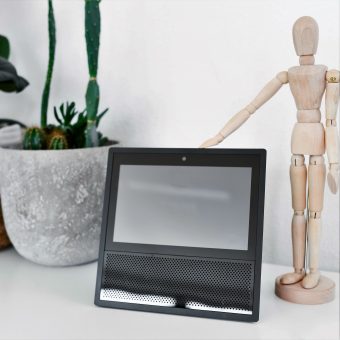
How much do you think about all the devices that connect you to the world? When a severe ice storm knocked out power to New England for two weeks, I reached a whole new level of appreciation. There are countless examples of how electronic audio devices – phone, tv, computer, etc. add to our quality of life. The phone is a major lifeline to distant family, friends or coworkers. A TV, computer or laptop bring the world of news and entertainment right into our homes. Whether it’s music on a smart speaker or podcasts on a tablet, there are so many tools that enrich our lives in so many ways. I wish everyone had access to this level of connection. It’s estimated that 770 million people in the world still don’t even have access to electricity (International Energy Agency, 2019).
Opportunities for more connection
Beyond the typical benefits of these devices are the additional advantages for people with hearing loss. I used to be afraid of embarrassing myself on the phone. Now I call people with confidence, because I can hear them wirelessly in both ears. Thank you Bluetooth. I used to feel disconnected and lost in a monthly community gathering. Now I get free live captions of the conversation right on my phone and can fully participate. Thank you Google. I used to miss half of the nightly news on TV, especially the people with foreign accents. Now I can read captions and get crisp audio into both hearing aids. Thank you FCC, HLAA and hearing aid developers. I can also read lips on a video call and send a text instead of call. Innovations increasingly make the world more accessible for people with hearing loss. I’m so grateful.
Challenges
I hope you feel inspired to tackle the three speed bumps on the path to better connection. Like everyone else, you need to learn how to use your phone, TV, computer, etc. Beyond that, you need to learn how to use your hearing devices or specialty hearing products. And last but certainly not least, you need to make these two groups work together.
When it comes to hearing well with electronic audio devices, the name of the game is compatibility.
Find the people who can help. My best advice is to practice, view failures as part of learning and above all persevere. In the end, the benefits are worth the challenge.
Read on to learn more about:
- how to connect better on your mobile, landline or VoIP phone
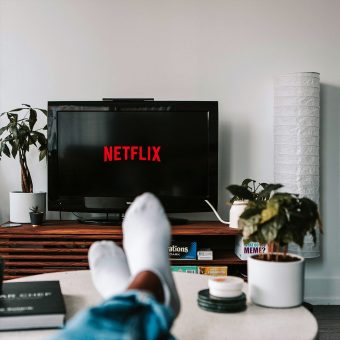
- how to have a better TV experience
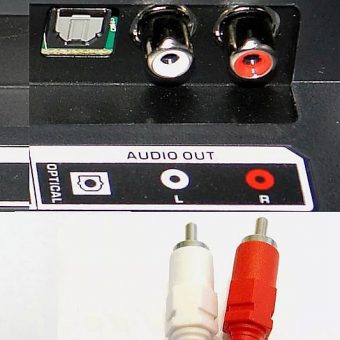
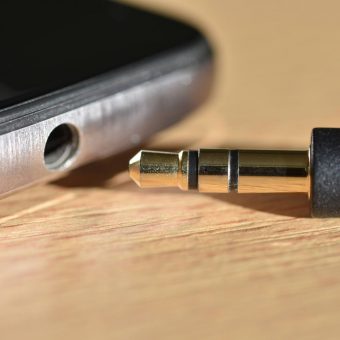
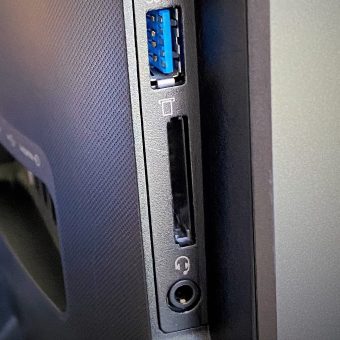
- tips on wired and wireless connections and compatibility
- Bluetooth basics
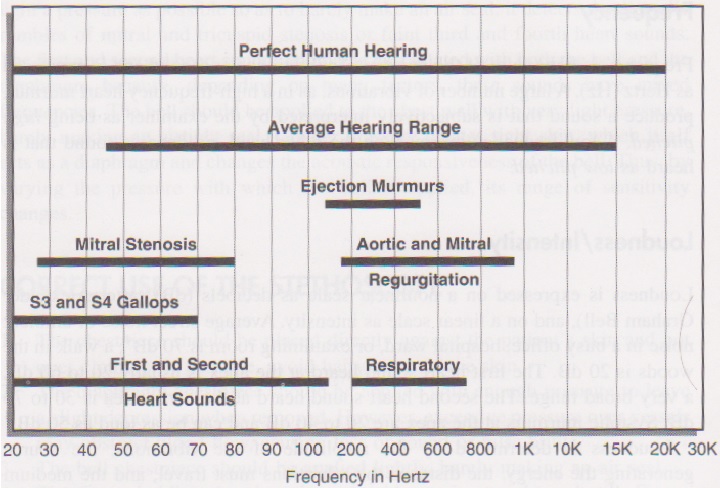
- how to connect to specialty products like a smart speaker, stethoscope, or airplane entertainment systems
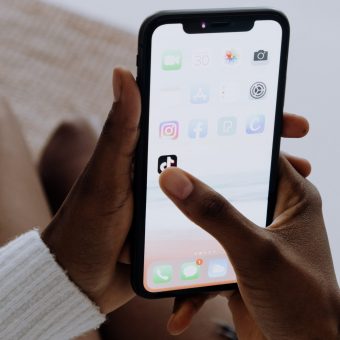


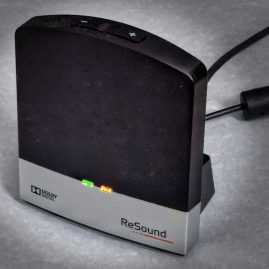

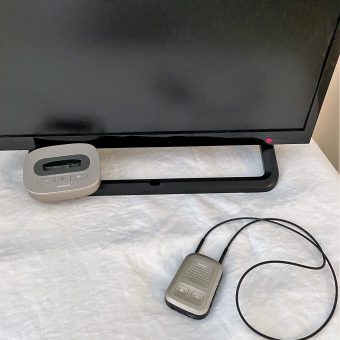
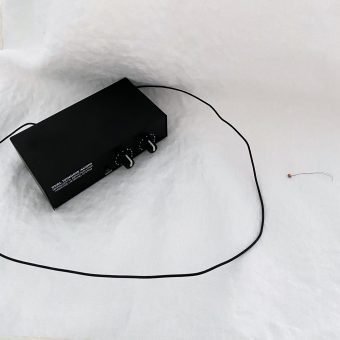
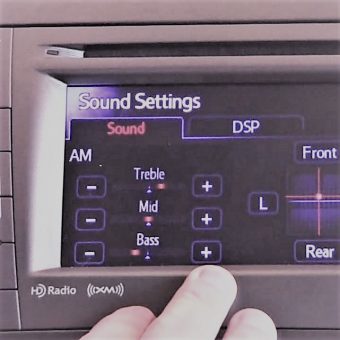 Equalizers change the intensity of sound at various frequencies, so you can adjust the audio on your device to fit your needs. You can find equalizers under the audio or sound settings on your TV, car radio, phones and tablets and possibly even your computer. Try turning down the frequencies where you hear well and turning up the frequencies where you struggle. For example, in my car, I turn the treble all the way up and the bass down and that helps me hear words better. It all depends on your hearing loss and preferences. Some devices have audio presets that you may want to disable.