Equipment Resources

free or low-cost hearing equipment and services

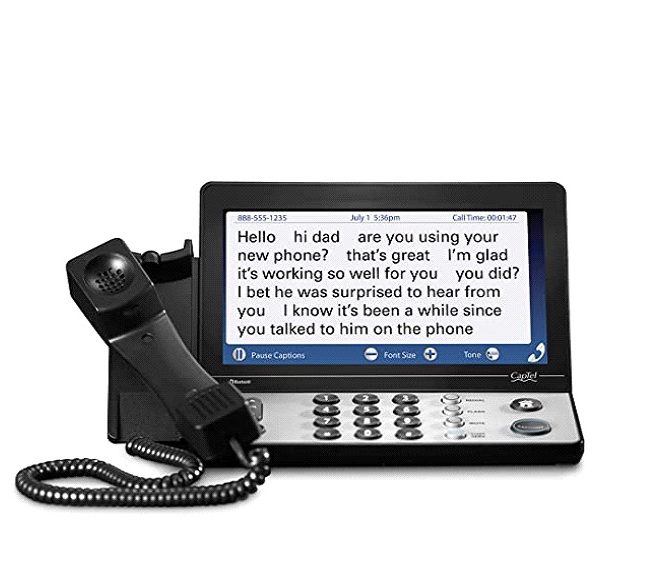
landline phone with captions on screen is low cost hearing equipment

People with hearing loss often qualify for free or low cost hearing equipment, services, and training. Most states have a program that assists people with hearing loss. Although things vary from state to state, you may be able to get a captioned phone or bedshaker alarm, for example. In addition, captioning service is available at little or no cost. You may also be able to tap into vocational services for your job. There are also ADA provisions to enhance your quality of life.

Learn more about:

  • state Equipment Distribution Programs
  • captioned telephone service, more info at the CapTel website
  • public provision of auxiliary aids and services under the ADA
  • Veterans’ benefits
  • Vocational Rehabilitation services
  • Red Cross smoke alarms with bedshakers
  • Lifeline program

In addition, support is also available through other resources.

equipment distribution programs

Most states offer a Telecommunications Equipment Distribution Program (TEDP)
that provides free or low-cost equipment to qualified individuals to accommodate their hearing loss. Some states have very limited options and others have more. Equipment may include:

  • Captioned telephones
  • Amplified landline phones, corded or cordless
  • Bedshakers
  • Neckloops
  • Phones with a speakerphone feature
  • Bluetooth wireless devices and accessories
  • Phone-ringing  signalers
  • Doorbell signalers
  • Smoke alarms
  • Video phones
  • Amplified cellular phones

You can google the name of your state and “Telecommunications Equipment Distribution Program” to find your program or use the CapTel link below.

captioned telephone service

Phone calls can be captioned for free for people with hearing loss on both landline phones and through captioning apps on “smart” mobile devices. This service is provided through a federally-funded program that is regulated by the FCC.

See the CapTel website or this very helpful ALDA page for more information on captioned phone options for both landline and mobile use.


FEDERAL LAW PROHIBITS ANYONE BUT REGISTERED USERS WITH HEARING LOSS FROM USING INTERNET PROTOCOL (IP) CAPTIONED TELEPHONES WITH THE CAPTIONS TURNED ON. IP Captioned Telephone Service may use a live operator. The operator generates captions of what the other party to the call says. These captions are then sent to your phone. There is a cost for each minute of captions generated, paid from a federally administered fund. No cost is passed on to the user for using the service.

public provision of auxiliary aids and services

Title III of the ADA requires places of public accommodation to provide effective communication, using auxiliary aids and services that ensure that communication with people who have a hearing loss is as effective as communication with others (ADA title III subpart C section 36.303).

  • Auxiliary aids and services includes things like CART captioning and assistive listening devices.
  • There is no cost to you to use the equipment or service in these public places. You do not keep the equipment, although some hospitals send people home with the amplifiers used during their stay.
  • Places of public accommodation includes businesses that are generally open to the public and that fall into one of 12 categories listed in the ADA, such as restaurants, movie theaters, schools, day care facilities, recreation facilities, and doctors’ offices.
  • The ultimate decision as to what measures to take rests with the public accommodation, provided that the method chosen results in effective communication.


Veterans

If you are a veteran, you are entitled to hearing aids and services at greatly reduced costs. The VHA Rehabilitation and Prosthetic Services Audiology website explains how to obtain free or low-cost state-of-the-art hearing aids, personal amplifiers, assistive technologies, and cochlear implants. This website also has a helpful “vendor resources” section of how-to videos and documents categorized by hearing aid brand. You can also contact your local VA for more info.

vocational rehabilitation services

Most states have a Vocational Rehabilitation Program that can help individuals whose hearing loss is a barrier to employment. Voc Rehab provides services and hearing assistive equipment to help people get or keep a job or benefit from independent living.

Access to hearing-assistive technologies is often limited by a person’s ability to pay and through Voc Rehab, audiologists may be able to better help those with hearing loss fund their treatment. Google search for “Vocational Rehabilitation” and the name of your state.

Red Cross bedshaker smoke alarms

Some chapters of the American Red Cross offer free smoke alarm systems to people with hearing loss. This is important for people with hearing loss who remove their hearing aids or cochlear implant while sleeping. Usually this service includes a standard smoke detector and a second unit that listens for the smoke alarm and triggers a bedshaker that vibrates under the mattress to wake you in the event of fire. Contact your local Red Cross and ask about this program.

discount phone and internet service

Lifeline is a federal program overseen by the FCC to help make communications services more affordable for low-income consumers. Lifeline provides subscribers a discount on monthly telephone service, broadband Internet access service, or voice-broadband bundled service purchased from participating providers. To participate in the Lifeline program, consumers must either have an income that is at or below 135% of the Federal Poverty Guidelines or participate in certain federal assistance programs, such as the Supplemental Nutrition Assistance Program or Medicaid. SafeLink Wireless® is a mobile phone program provided by Lifeline through TracFone Wireless, Inc., the largest “no-contract” cellular phone service provider in the U.S.

hearing aid programs

Hearing aids and services cost $2450 on average. They are often not covered by insurance. They are not covered by Medicare either. There are some areas of support you should contact:

  • ask your hearing care professional about local grant programs or foundations.
  • ask your local Lions Club if they participate in the Affordable Hearing Aid Project
  • Starkey Hearing Foundation
Gathering Sound